Thekua Recipe: A Golden Bite of Bihar's Heritage
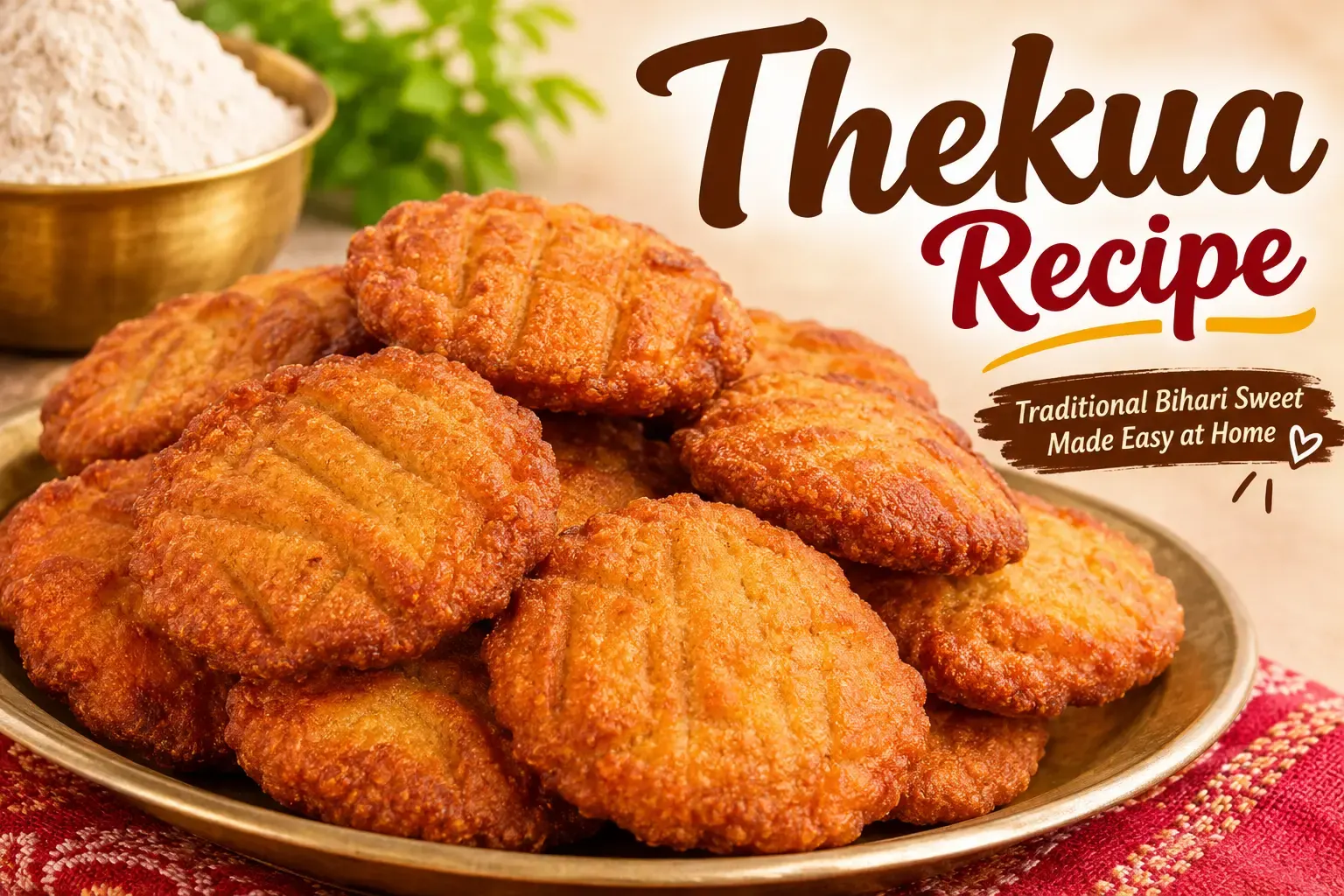
Overview: Thekua Recipe is a traditional sweet from Bihar which combines homemade sweetness, culture, and festival nostalgia. The coming guide is going to tell everyone about the real preparation of thekua. It is a must to know more about how thekua is prepared at home using not so complicated raw materials like wheat flour, jaggery, ghee, and fennel seeds. Know everything about the process of preparing crispy thekua, the difference between gud and cheeni thekua, methods of storing it and its significance in Chhath Puja.
Quick answer: To make thekua, mix whole wheat flour (atta) with fennel, cardamom and ghee, knead it into a stiff dough with lukewarm jaggery syrup, press small pieces into a wooden mould (sancha), and deep-fry on medium-low heat until golden and crisp. Cool completely and store in an airtight container — well-made thekua stays fresh for 45–60 days. It takes about 15–20 minutes to prepare and 20–25 minutes to cook, and makes 15–20 pieces.
Understanding Thekua and its cultural importance
The thekua recipe makes thekua, which is not only an Indian sweet but a delectable link with the culture of Bihar and its family tradition and festivities. Prepared from wheat flour, jaggery/sugar, ghee and some fragrant ingredients, this crispy and brown colored sweet is relished for its unique taste and aroma.
Thekua has an important position in the region of Bihar and Mithila during the occasion of the festival of Chhath puja. The delicious sweet dish is prepared in the homes of people with great affection. The sweet dish's designs and its crispiness makes it different from others.
A good Thekua Recipe requires neither expensive ingredients nor any complicated equipment to prepare the sweet. To make Thekua at home, one only needs to pay special attention to the flour selection and frying process.
Thekua Recipe: An Introduction
There are certain recipes that are associated with an unforgettable experience in our lives, and thekua is one such recipe. The aroma of freshly prepared dough, the sound of thekua frying in ghee and the thrill of indulging in the first crispy piece make this traditional sweet something special.
Be it the nostalgia of having eaten thekua at your grandma’s home or your wish to prepare a classic Bihari delicacy at home learning the traditional way of making thekua is definitely worth your while.
In this article, you will learn how to prepare the traditional recipe of thekua in step-by-step detail, information about the ingredients that give the best taste, how to get crispy thekua and the things you should not do while preparing thekua.
What Is Thekua?
Thekua Recipe is a sweet fried dish commonly associated with the states of Bihar, Jharkhand and eastern Uttar Pradesh. The main components that go into making the dish are whole wheat flour, jaggery or sugar, ghee and flavoring components like fennel seeds and cardamom.
The special characteristic of this product is its hard and crispy quality and beautiful exterior. Normally dough is packed into forms made of wood or hand moulded, after which the sweet is cooked in oil.
Unlike delicacies requiring cold storage, thekua can be stored without fridge in an airtight container for a few days if made correctly.
Traditional Thekua Recipe: Ingredients You Need
The secret to delicious homemade thekua is using simple ingredients in the right proportions.
- 2 cups whole wheat flour (atta)
- ¾ cup jaggery (gud), grated — or sugar for cheeni thekua
- ¼ cup water (for the jaggery syrup)
- ¼ cup ghee (for the dough)
- 1 tsp fennel seeds (saunf)
- ½ tsp cardamom powder
- 2 tbsp grated dry coconut (optional)
- Ghee or oil for deep frying
- Preparation time: 15–20 minutes
- Resting time: 10–15 minutes
- Cooking time: 20–25 minutes
- Total time: Approximately 50–60 minutes
- Serving size: 15–20 pieces, depending on size and thickness.
How to Make Thekua: Step-by-Step Recipe
Just six easy steps to make a Bihari sweet, perfect in golden colour and crispy finish.
Step 1. Prepare the Jaggery Syrup
Cut the jaggery into small bits and add to a saucepan with some water. Bring to the boil and let the jaggery melt.
Strain the mixture to get rid of any impurities if needed and keep aside to cool till lukewarm.
Do not pour hot syrup directly into flour otherwise it will affect the nature of the dough.
Step 2: Prepare the Flour Mixture
In a large bowl, mix the whole wheat flour along with the fennel seeds, cardamom powder, and coconut.
Next, introduce the ghee and incorporate it in the flour mixture using your fingertips. The mixture needs to have a somewhat crumbly consistency.
This part is critical because ghee is instrumental in the formation of the signature crispiness of Crispy Thekua Recipe.
Step 3: Knead the Dough
Slowly incorporate the jaggery syrup into the flour mixture. Mix well to form a stiff dough. Use a little water only if necessary.
The dough shouldn't be soft or sticky. A stiff dough keeps the thekua firm during frying.
Keep the dough covered for around 10–15 minutes.
Step 4: Shape the Thekua
Divide the dough into small equal sized portions. Roll each portion into a ball and gently flatten it using your palms.
You can create traditional patterns using:
- Wooden thekua moulds.
- A fork or toothpick.
A traditional wooden design press.
Your fingers to make simple decorative patterns.
Make sure the pieces have a reasonably even thickness so they cook uniformly.
Step 5: Fry Until Golden Brown
In a deep frying pan, heat the ghee / oil on low to low medium.
Gently lay the thekua into the hot oil. Fry slowly over a gentle heat until the thekua are a golden brown in colour, turning them from side to side.
Heat them too high and they will go black on the outside before cooking through.
Make the thekua until they turn a deep golden colour, then remove from the pan and drain on a plate lined with kitchen towel.
Step 6: Cool and Store
Let the freshly fried thekua cool thoroughly. Stored in an airtight container, well-made thekua stays fresh for 45–60 days — see how long thekua lasts and how to store it.
A bit soft when hot but firm and crunchier when cooled.
Keep stored in an airtight container if they are not consumed immediately to preserve both taste and crunch.
## Thekua Recipe: Common Questions Answered
When it comes to preparing Thekua Recipe, many people ask questions regarding the ingredients, the method of preparation, the taste and the shelf life of the sweet. Here are the answers to some of the commonly asked questions.
1. What is the peculiarity of the traditional Bihari Thekua?
The traditional Thekua typical of Bihar is distinguished by its fundamental ingredients, its manual preparation process and its exclusive and activating croquettes.
Its uniqueness comes from:
- Whole wheat flour as the base.
- Jaggery or sugar for sweetness.
- Fennel seeds for a traditional aroma.
- Ghee for richness.
- Decorative moulded patterns.
It is also closely connected with Chhath Puja, making it culturally significant beyond its taste.
2. How to Make Crispy Thekua at Home?
For a perfectly crunchy result, pay attention to the dough and frying process.
One common mistake is frying thekua on high heat. Slow frying helps cook the inside while developing a crisp outer layer.
3. Can You Make Thekua Without Jaggery?
Yes. You can use sugar in this recipe in place of the jaggery.
Sugar Thekua Recipe has a different level of sweetness and taste. Generally sugar thekua is not as flavorful as jaggery, which adds a richer, caramel like taste to the thekua.
Both can taste great when made with the right amount of dough.
4. What Is the Difference Between Gud Thekua and Cheeni Thekua?
1. Gud Thekua (Jaggery Thekua)
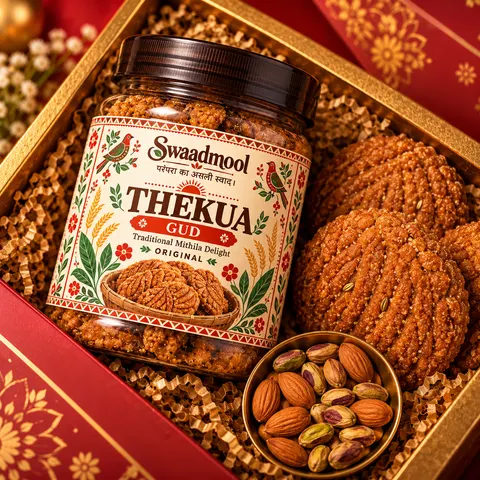
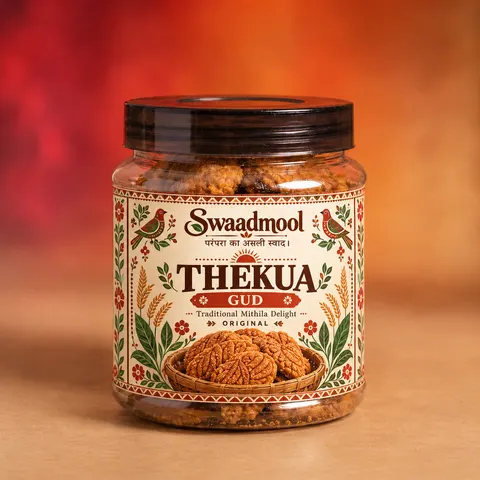
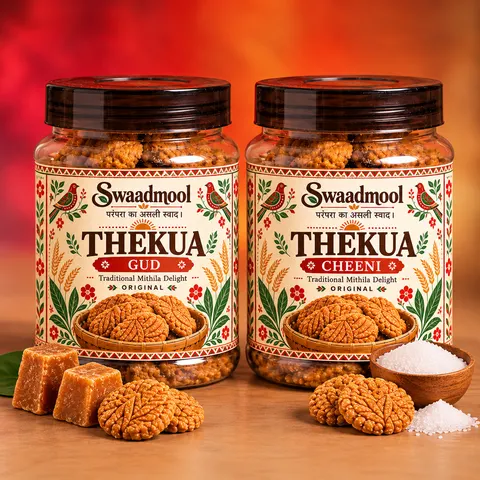
Gud Thekua is prepared using jaggery (gud), wheat flour, ghee, and sometimes fennel seeds or cardamom. It has a naturally rich sweetness, a deep golden-brown colour, and a slightly caramelised flavour. Its aroma and traditional taste make it especially popular during Chhath Puja. Try our Gud Thekua, fried in pure desi ghee.
2. Cheeni Thekua (Sugar Thekua)
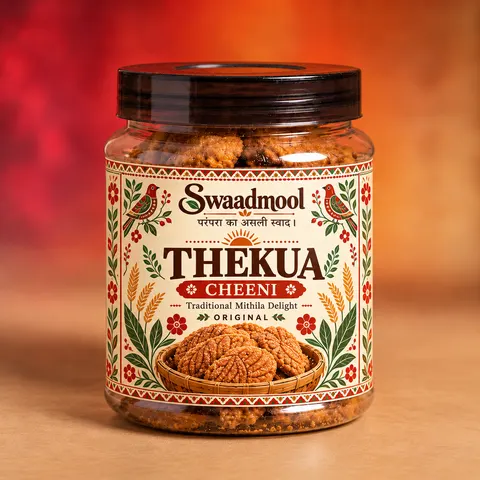
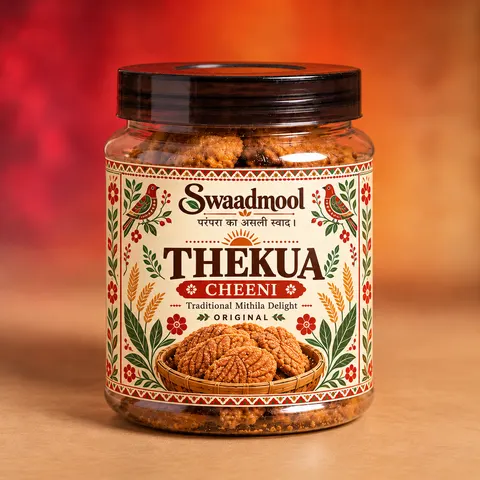
Cheeni Thekua is made using sugar instead of jaggery. It generally has a lighter golden colour, a clean and straightforward sweetness, and a mildly crisp texture. It is a popular alternative for families who prefer a lighter sweet flavour. Try our Cheeni Thekua, or read the full gud vs cheeni thekua comparison.
Why Is Thekua Special During Chhath Puja?
Thekua is the most important prasad of Chhath Puja — read more about the Chhath Puja thekua tradition and thekua's roots in Bihar.
Significance of Thekua Recipe, coconut and sugarcane in Chhath Puja And rituals Chhath Puja holds great significance for Bihar. It is all performed with ardour, dedication and a prayer to the Sun God.
Thekua Recipe is a must prasad for this day. Many of the families prepare the same at homes with traditional methods and offer it to the festival.
Its importance is connected with:
- Family traditions: Recipes are handed down through the generations.
- Offering: Thekua is one of the offerings for Chhath Puja.
- Cultural identity: It is a reflection of the food cultures of Bihar and other neighbouring regions.
- Togetherness: family members usually help in the making of these sweets.
For many families, thekua is not simply something to eat. It represents childhood memories, cultural roots and the warmth of home.
Conclusion
The traditional recipe of Thekua can be called a perfect combination of basic ingredients, home made sweetness and the cultural heritage of Bihar. Each stage beginning with preparing the jaggery and ending with frying Thekua to a golden brown color contributes to unique flavor and texture.
The sweetness of these sweets does not depend upon whether you are a fan of gud or cheeni thekua. The fact remains that the authentic preparation of these sweets brings back fond memories.
You do not have to be a chef expert to prepare thekua within your own residence. Every requirement involves proper components, enough time spent waiting, plus minimal training needed so one can create the genuine flavor found inside Bihar regions today now.
Because some Thekua Recipe are remembered not just for their flavour, but for the traditions and love behind every bite.
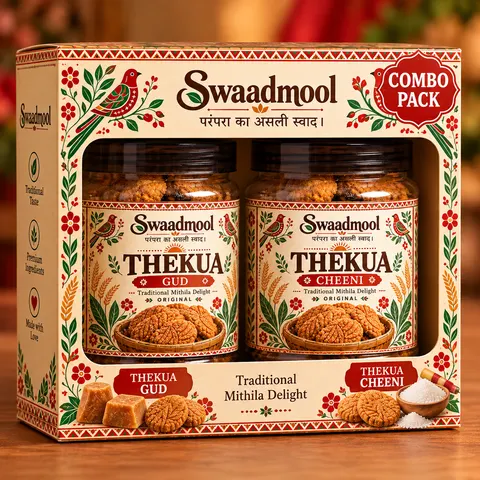
No time to cook? Buy thekua online from Swaad Mool, try the Gud + Cheeni combo, or read our guide to Thekua Bazar.
Shop Swaad Mool thekua
No time to cook? Get the same traditional taste, handmade in pure desi ghee and fresh for 45–60 days.
- Gud Thekua — classic jaggery thekua in pure desi ghee
- Cheeni Thekua — lighter, crisp sugar thekua
- Combo Packs — both recipes in one gift box
Thekua Recipe FAQs
Quick answers to common questions about making thekua at home.
Still have questions about your order?
Our Swaad Mool team is happy to help you directly on WhatsApp.
💬 Chat on WhatsAppWhole wheat flour (atta) is the main ingredient. It is mixed with jaggery or sugar, ghee, fennel seeds and cardamom.
Thekua turns soft because of too much moisture in the dough, under-frying, or storing it before it has cooled completely. Use a stiff dough, fry on medium-low heat until golden, and cool fully before storing.
Yes. Using sugar makes cheeni thekua, which is lighter in colour with a clean sweetness. Jaggery gives gud thekua a darker colour and a deeper, caramel-like taste.
Whole wheat flour (atta) is best. It gives thekua its traditional flavour and firm, crunchy texture. Avoid maida.
No. A wooden sancha gives the traditional pattern, but you can also shape thekua by hand and press a design with a fork or toothpick.
Thekua is the main prasad of Chhath Puja. It is prepared at home with great purity and offered to Surya Dev and Chhathi Maiya during the evening and morning arghya.
Thekua that is fried well, cooled completely and stored in an airtight container in a dry place stays fresh for 45–60 days at room temperature.
Traditionally, thekua is deep-fried in ghee or oil on medium-low heat until it turns golden brown and crisp.
Grated dry coconut is optional. Many families add it for extra flavour and a slightly richer texture.